


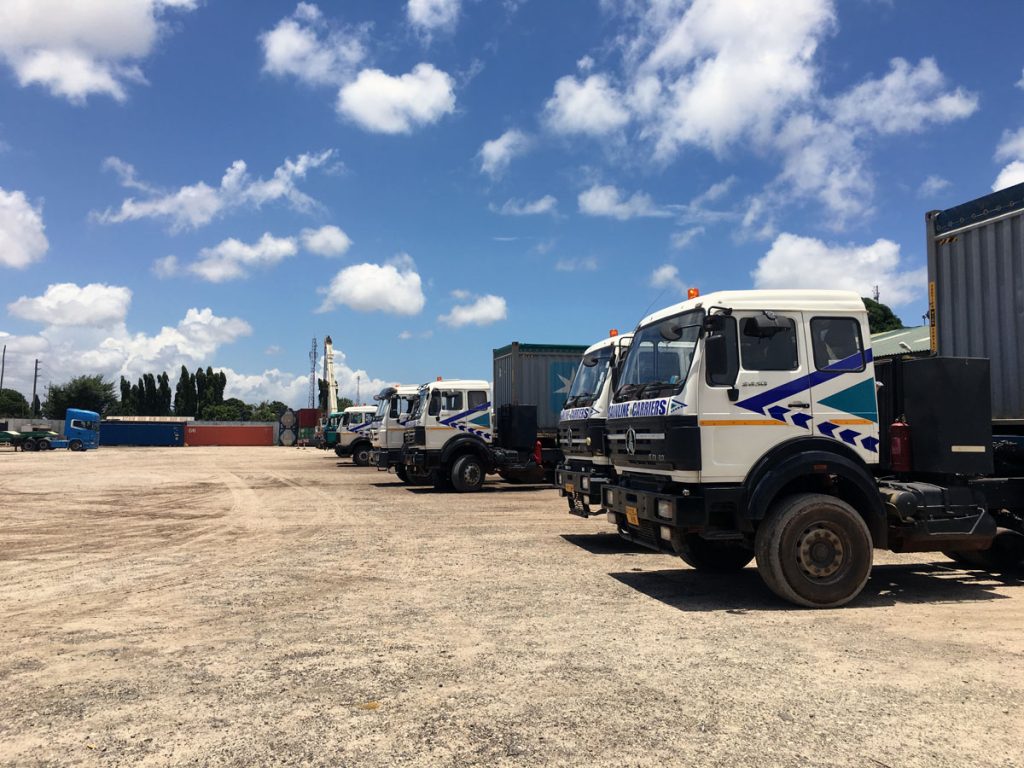
In Tanzania and across East Africa, moving goods is still a slow, costly ordeal. Poor roads, congested ports and manual paperwork mean trucks spend days waiting to unload and reload. A recent analysis observes that “poor logistics management can lead to delays in delivery, damage to goods, and inventory shortages,” driving up costs for businesses. For example, World Bank data show the median port dwell time in Tanzania is about 5.4 days– days that goods sit idle before moving inland. In reality, shipments often change hands many times and rely on paper records, which a study notes creates “poor structure and organization” and widespread manual checks in SSA logistics. These bottlenecks mean transport costs skyrocket (shipping can be 2–3 times more expensive in landlocked African countries) and firms struggle to turn a profit. In short, inefficiency is built into the system – and that inefficiency gets passed to consumers.
Meanwhile, e-commerce and regional trade are booming. Africa’s online market is projected to surpass 500 million active users by 2025 (nearly 18% annual growth), creating huge demand for faster deliveries. Logistics providers are scrambling to innovate last-mile solutions in an environment plagued by vague addressing systems, safety risks and unreliable infrastructure. The result is clear: if freight and delivery firms do not modernize, the region’s economic growth could stall under high logistics costs and delays.
*AI and automation are poised to change supply chains. By replacing “outdated, manual and paper-based processes with integrated, cloud-based systems,” companies can gain real-time visibility and smarter coordination. For instance, embedded sensors and machine learning could flag an engine issue on a truck before it causes a breakdown. On the loading dock, tablets and cameras can automate inventory checks. Such AI-driven systems promise to do today’s tedious paperwork and guesswork in seconds, turning data into actionable alerts. (The image above shows a vision of an AI-coordinated factory floor managing robots – a hint of the efficiency transport firms hopes to achieve.)
Across Africa, startups and big tech are already applying AI to logistics. In Nairobi, for example, Leta recently raised $5 million to power its AI delivery platform. Leta’s system plugs into existing ERP and order-management software, then uses algorithms to select the best truck and loading method (FIFO vs. LIFO) for each delivery. It even auto-generates dispatch plans and manifests. After its last funding round, Leta was handling over 10,000 deliveries per day across Kenya, Tanzania, Rwanda and beyond. These investments highlight growing interest in “using AI to solve logistics challenges and cut costs” in Africa’s supply chains. In short, the stage is set: the need is great, and the technology is finally catching up.
This Startup In Tanzania Is Challenging This.
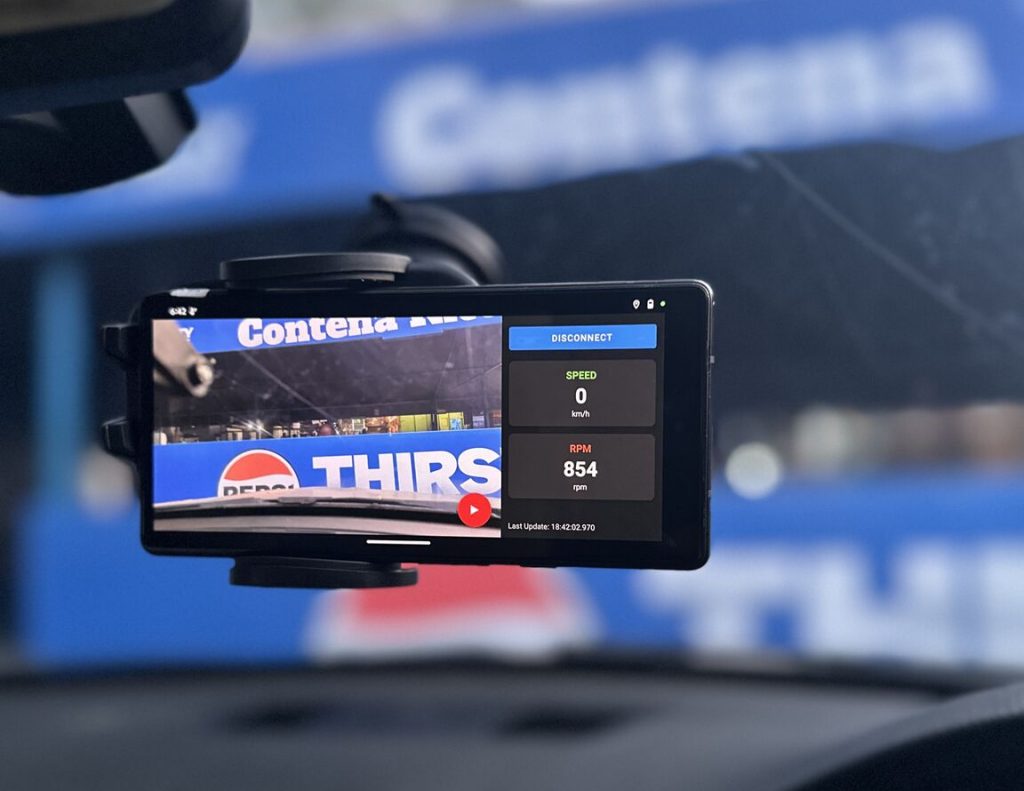
But what does this look like on the ground in Tanzania? Enter CTRLX.AFRICA, a Dar es Salaam–based startup founded by software and hardware engineer Elisha Bulalu. Bulalu sees the region’s fleet problems firsthand: aging trucks, oil-stained logbooks and finger-pointing when things go wrong. He’s clear-eyed about the limitations of today’s solutions. As he puts it, “Traditional tracking only tells you where your vehicles are and their speed. We go further — delivering real-time, AI-powered insights that reduce costs, prevent breakdowns, and improve fleet efficiency.” This kind of blunt analysis comes straight from Bulalu’s LinkedIn updates: he contrasts CTRLX with generic GPS trackers, saying “unlike existing solutions that rely on third-party hardware… we’re building our own hardware and software from the ground up”. By controlling the whole system design locally, CTRLX can tailor its product for African roads – from scrappier trucks to patchy connectivity – and “capture richer insights” from the data.
Bulalu often uses a vivid analogy: CTRLX is like “an expert mechanic, a data analyst, and an AI agent all working for you 24/7.” Rather than just collecting raw location data, the platform constantly sifts and verifies information. As Bulalu explains, “We’re not just recording – we verify. When a driver reports an issue, you’ll have proof. When maintenance is needed, you’ll know why. When patterns start forming, you’ll see them early.” In practice, this means sensors and cameras scan the truck systems: a heat anomaly in the engine could trigger an alert, or an onboard camera could flag driver fatigue. In other words, the system detects trouble before it halts the fleet. Bulalu notes that “90% of road accidents are caused by human error. We’re not saying we can stop all accidents, but if there’s something we can do to reduce the risk, we’ll put in maximum effort”. His goal is a proactive fleet: one that prevents breakdowns, collisions and delays instead of reacting to them.
CTRLX’s user interface illustrates this vision. A manager logging into the dashboard sees charts of fuel efficiency and mileage, driver performance scores, and urgent maintenance alerts all in one screen. (“Fuel usage vs mileage” trends are in the green graph above, for example.) From this one pane, the software turns mountains of raw data into clear guidance. “We’ve built both hardware and software from the ground up,” Bulalu explains, so the AI can crunch engine data, GPS, and even video continuously. The result: predictive analytics that say “change that filter” a week before it clogs, or “slow down” if brake wear is detected. In Bulalu’s words, the platform becomes “the equivalent of having an expert mechanic, data analyst, and AI agent all working for you 24/7” – a force multiplier for any fleet operator.
Key benefits of an AI-driven fleet system like CTRLX include:
-
Predictive maintenance: By correlating engine and sensor data with driving patterns, the system flags parts that are about to fail. This helps fleets fix issues on their own schedule instead of scrambling after a breakdown (and avoids costly downtime).
-
Real-time safety alerts: The AI constantly analyzes driver behavior (hard braking, sharp turns, signs of fatigue) and road conditions. If it spots a dangerous situation, it can warn the driver immediately – potentially avoiding crashes.
-
Route and fuel optimization: AI can ingest traffic data and fuel readings to plan the most efficient routes. Studies show this kind of “automated routing” can drive major fuel savings, cut costs while delivering on time.
-
Instant reporting: Rather than waiting days for a human to compile logs, managers get live dashboards and automated reports (like the fuel trend chart above). This transparency means quicker decisions – for instance, pulling a truck in for service as soon as a problem is predicted, not weeks later.
These features directly target the logistics pain points. By automating what used to be guesswork or manual logging, CTRLX’s AI fosters better coordination: everyone from the fleet manager to the driver to the maintenance crew operates with the same data in hand.
A Founder’s Viewpoint
We sat down with Bulalu to hear more about his mission. He told us that his passion began with small frustrations (even car troubles of his own) that highlighted the gaps in Africa’s transport tech. “In our system, every piece of data has a purpose,” he said. “We only collect what keeps your fleet safe – nothing more. It’s simple, secure, and transparent.” He’s pragmatic about challenges: designing robust hardware that can withstand heat and dust or ensuring the solar-powered sensors never go dark. But he’s also optimistic about impact. When asked why he started CTRLX, Bulalu said: “We realized that existing solutions weren’t built for our context. Our clients need insights, not just numbers. So, we solve the problem from the root – that’s why we’re designing hardware and software here in Tanzania.”
Today CTRLX is in an early pilot phase with local transport companies. Bulalu shared that some haulers in Dar already use the system on a few trucks, and early feedback is encouraging. He points out one example: a cargo company was alerted to a minor leak in a fuel line days before it triggered a breakdown, saving a repair bill and the cost of towing. “That’s the kind of real impact we’re talking about,” he said. “A small sensor reading can save a driver from being stranded and save the company thousands in lost revenue.”
